

Why Gutter setup Matters in Arkansas
Arkansas is known for its unreliable weather, with abrupt rainstorms and changing weather patterns that can influence properties in major ways. In Little Rock, the average yearly precipitation is around 50 inches, making proper gutter mounting important for safeguarding homes from water damage. Without effective gutter units, precipitation can leak into the base, result in soil erosion, and cause costly repairs.
The climate in Arkansas can be demanding, with intense rainfalls during spring and mid-year, and infrequent extreme weather events that deliver strong winds and hail. These conditions mean that gutters must be sturdy and well-maintained to handle the challenges of the local weather. Whether you reside Little Rock, North Little Rock, or any additional city in Arkansas, grasping the significance of a trustworthy gutter system is essential to long-term home protection.
Homeowners in Arkansas should also reflect on the distinct weather conditions that impact diverse areas. For case, Fayetteville experiences strong first season precipitation, which can flood inadequately set up gutters. In the same way, Springdale’s hilly topography can form irregular water flow, making it essential to set up gutters that consider the terrain. By spending in quality gutter mounting, Arkansas homeowners can guarantee their residences continue to be safe and moisture-free, no matter what the climate brings.
Common Gutter kinds Used in Arkansas
When it comes to gutter installation in Arkansas, homeowners have several alternatives to choose from. The most popular gutter varieties include vinyl, aluminum, and steel, each with its own advantages and disadvantages. In Little Rock, many residents opt for vinyl gutters due to their affordability and ease of installation. Still, other materials like metal gutters are also popular, specifically in areas with more extreme weather conditions.
In Fort Smith, for instance, metal gutters are commonly preferred because they are more durable and can withstand heavy rainfall. Similarly, in Fayetteville, where spring rains can be especially intense, homeowners may choose metal or aluminum gutters for their strength and longevity. The choice of gutter material can also depend on the area climate and the particular requires of the home.
Another factor to evaluate is the type of residence and its architectural style. In cities like Springdale, where the landscape is more varied, the gutter system must be designed to tackle distinct drainage patterns. Whether you're in Little Rock or another city in Arkansas, selecting the right gutter type is vital for long-term efficiency and protection.
Vinyl Gutters in Arkansas
Vinyl gutters are a favored choice for many homeowners in Arkansas, especially in cities like Little Rock and Fayetteville. These gutters are lightweight, easy to install, and resistant to rust and corrosion. They are also relatively affordable, making them a cost-effective option for those looking to protect their homes without breaking the bank.
One of the main benefits of vinyl gutters is their ability to withstand the typical weather conditions in Arkansas. With an average of 50 inches of rainfall per year, it's important that gutters can handle heavy downpours without sagging or breaking. Vinyl gutters are designed to flex slightly under pressure, which helps prevent damage during storms. However, they may not be the best option for areas with extreme weather, such as Springdale, where heavy rainfall and hilly terrain can create more intense water runoff.
Despite their advantages, vinyl gutters may not be the most durable option in the long run. Over time, exposure to sunlight and temperature changes can cause them to become brittle or crack. For homeowners in cities like Little Rock, where the climate is relatively moderate, vinyl gutters can be a reliable and trustworthy choice. However, those in more extreme weather conditions may want to consider alternative materials.
Metal Gutters for Arkansas Weather
Metal gutters are a favorite choice for homeowners in Arkansas, particularly in areas with more severe weather conditions. In cities like Springdale, where heavy rainfall and hilly terrain can create challenging drainage patterns, metal gutters offer greater durability and strength. They are also unlikely to sag or break under the weight of water, making them a reliable option for long-term use.
Aluminum and steel are the two most common types of metal gutters used in Arkansas. Aluminum gutters are compact, durable, and simple to set up, making them a popular choice for many homeowners. Steel gutters, on the other hand, are harder, and more durable, but they can be costlier and may need additional maintenance to prevent rust.
In Little Rock, where the climate is generally moderate, metal gutters can provide excellent protection against rain and wind. However, in areas like Fayetteville, where spring rains are more intense, metal gutters may be a better option due to their ability to handle intense water flow. Homeowners in cities like North Little Rock or Conway may also find metal gutters to be a useful investment, especially if they live in areas frequently affected by frequent storms.
How Arkansas Climate Affects Gutter Installation
The weather in Arkansas plays a important role in choosing the best method to gutter installation. With an average of 50 inches of rainfall per year, it's crucial to pick a gutter unit that can deal with heavy rainfalls without breaking. In Little Rock, where the conditions can be uncertain, homeowners must make sure their gutters are adequately set up to avoid water harm to their residences.
Arkansas conditions is famous for its quick changes, with times of strong rain followed by wet spells. This variation can result in gutters to stretch and shrink, which may cause leaks or building injury over period. In places like North Little Rock, where the terrain is increasingly diverse, the setup process may need to account for diverse water flow styles and height shifts.
In additionally to rainfall, Arkansas is also prone to extreme weather situations, such as lightning storms and snow. These conditions can place additional strain on gutters, which is important to pick components that can endure the conditions. For instance, in Springdale, where mountainous regions can create uneven water runoff, the gutter unit must be carefully planned to guide water away from the home efficiently.
Homeowners in Arkansas should also take into account the regional conditions when organizing their gutter placement. In towns like Fayetteville, where first season precipitation are specifically strong, it's vital to set up gutters that can manage big quantities of water. In the same way, in regions like Pine Bluff, where the conditions can be more humid, proper drainage is crucial to prevent mold and moisture injury.
Top Materials for Arkansas Gutters
Choosing the correct materials for gutter installation in Arkansas is important for extended effectiveness and safeguarding. The top materials for gutters in the region include metal, iron, and vinyl, each with its own benefits and drawbacks. In Little Rock, many homeowners choose for aluminum gutters due to their compact design and capacity to corrode and degradation.
Aluminum gutters are a favored selection for their sturdiness and convenience of setup. They are also present in a range of hues, enabling it simple to fit the aesthetic of a dwelling. In metropolitan areas like Rogers, where the weather is moderately mild, aluminum gutters can offer great protection against moisture and wind. However, they may not be the most suitable selection for regions with severe climates, such as Springdale, where strong downpour and hilly ground can generate more intensive water drainage.
Steel gutters are another choice for homeowners in Arkansas, offering greater strength and toughness. They are mainly well-suited for areas with heavy rainfall, as they can resist the mass of liquid without drooping or breaking. However, iron gutters may need more attention to avoid degradation, especially in zones with increased dampness or regular storms.
Polymer gutters are a affordable option for many homeowners in Arkansas, particularly in towns like Little Rock and Fayetteville. They are compact, simple to set up, and able to decay, making them a appropriate choice for reasonable conditions. However, they may not be the most suitable selection for zones with intense climates, where durability is a main priority.
Gutter Installation Costs in Arkansas
The price of gutter installation in Arkansas can fluctuate depending on several factors, including the type of resources used, the dimensions of the home, and the complexity of the installation. In Little Rock, homeowners can anticipate to pay between $3 and $7 per footage for common gutter setup, with the total cost spanning from $600 to $1,500 for an medium property.
In urban areas like Rogers, where the demand for gutter installation is higher, the expense may be slightly more due to increased employees and supply expenses. Likewise, in regions like Fayetteville, where strong spring downpours can necessitate higher sturdy resources, the price of installation may also be greater. Homeowners should also consider the extended maintenance charges of their gutter setup, as some supplies may necessitate higher frequent repairs or updates.
For those searching for a more economical choice, polyvinyl gutters are often the most cost-effective selection. In Little Rock, polyvinyl gutters can be put in for as minimal as $2 per linear foot, making them an attractive option for economical homeowners. But, in areas like Springdale, where the terrain and weather can be more difficult, investing in a higher durable resource may be a better prolonged option.
It's also vital to think about the price of expert setup, as employing a licensed builder can guarantee the job is finished accurately and efficiently. In urban areas like North Little Rock, where construction regulations may necessitate specific installation standards, hiring a expert can help steer clear of expensive blunders and assure compliance with local regulations.
Gutter care Guidelines for Arkansas Homeowners
Proper maintenance is crucial for guaranteeing the long-term function of a gutter system in Arkansas. Frequent cleansing and review can help avoid blockages, leaks, and other problems that can lead to water damage. In Little Rock, where the typical yearly precipitation is approximately 50 inches, homeowners should plan gutter cleanings at minimum twice a period to ensure their units working effectively.
In metropolitan areas like Pine Bluff, where the environment can be greater moist, it's especially vital to examine for signs of fungus or cyanobacteria development. These can obstruct gutters and lower their effectiveness, leading to water pooling around the base of the dwelling. Homeowners should also check for signs of injury, such as drooping gutters, breaks, or unsecured attachments, which can signal the requirement for maintenance.
Further vital feature of gutter care is guaranteeing that water pipes are properly guided away from the home. In zones like Springdale, where the terrain can be uneven, it's important to place water extensions that direct water away from the base. This can help prevent soil loss and reduce the possibility of fluid seeping into the basement or underfloor area.
Homeowners in Arkansas should also be informed about the impact of nearby weather conditions on their gutters. In Fayetteville, where intense early season downpours are common, it's a good idea to check gutters more frequently to confirm they are handling the higher water rate. Similarly, in metropolitan areas like Conway, where the weather can be uncertain, ongoing care can help prevent costly fixes down the line.
Professional Gutter installation Process
The procedure of expert gutter installation in Arkansas usually consists of several essential steps to guarantee the system is adequately configured and mounted. In Little Rock, a qualified installer will begin by evaluating the house’s top and previous gutter installation to identify the best method. This includes calculating the edge, identifying the type of gutter component to apply, and designing the location of downspouts.
Once the layout is finalized, the mounting team will initiate by taking out any used or broken gutters, if necessary. They will then set up fresh gutters, ensuring they are correctly sloped to allow fluid to move smoothly. In towns like North Little Rock, where building codes may necessitate particular mounting criteria, installers must ensure that the system complies with all area rules.
After the gutters are installed, the team will include drain pipes and link them to the sewer setup. In areas like Springdale, where the landscape can be hilly, the position of downspouts may necessitate additional planning to make sure liquid is guided away the residence. In cities like Fayetteville, where heavy spring showers are common, the installation method may also involve more components such as trash protectors or gutter covers to minimize the requirement for constant tidying.
Finally, the contractor will perform a extensive check to make sure the system is functioning correctly. This includes examining for leaks, ensuring the tilt of the gutters, and assessing the drainage system. In towns like Rogers, where the weather is moderately mild, the setup procedure may be significantly easy, but in areas with higher extreme climate, additional precautions may be necessary.
Arkansas Building Codes for Gutters
Arkansas has distinct building codes that govern the installation of gutters to ensure they meet safety and effectiveness standards. These codes can change slightly depending on the city, but they generally include requirements for gutter size, inclination, and substance. In Little Rock, for example, the local building codes may require gutters to be installed at a exact pitch to ensure proper water flow.
In cities like Jonesboro, where the climate can be more humid, building codes may also include instructions for gutter care and drainage. These regulations are intended to protect homes from water damage and ensure that gutters are installed in a way that minimizes the risk of leaks or building damage. Homeowners should seek local building officials or a certified contractor to understand the specific requirements for their area.
Bentonville, a rapidly growing city in Arkansas, has revised its building codes to mirror the latest industry guidelines for gutter installation. These changes may include requirements for stronger materials or more drainage components to handle heavy rainfall. In cities like Pine Bluff, where the weather can be more variable, building codes may also include guidelines for gutter location and water runoff.
Homeowners in Arkansas should also be noted of the importance of following local building codes when installing or maintaining gutters. Failure to comply with these regulations can result in penalties or the need for high-cost corrections later. In cities like Conway, where the climate can be more variable, it’s highly necessary to ensure that the gutter system meets all local criteria.
FAQ
What are the most common types of gutters used in Arkansas?
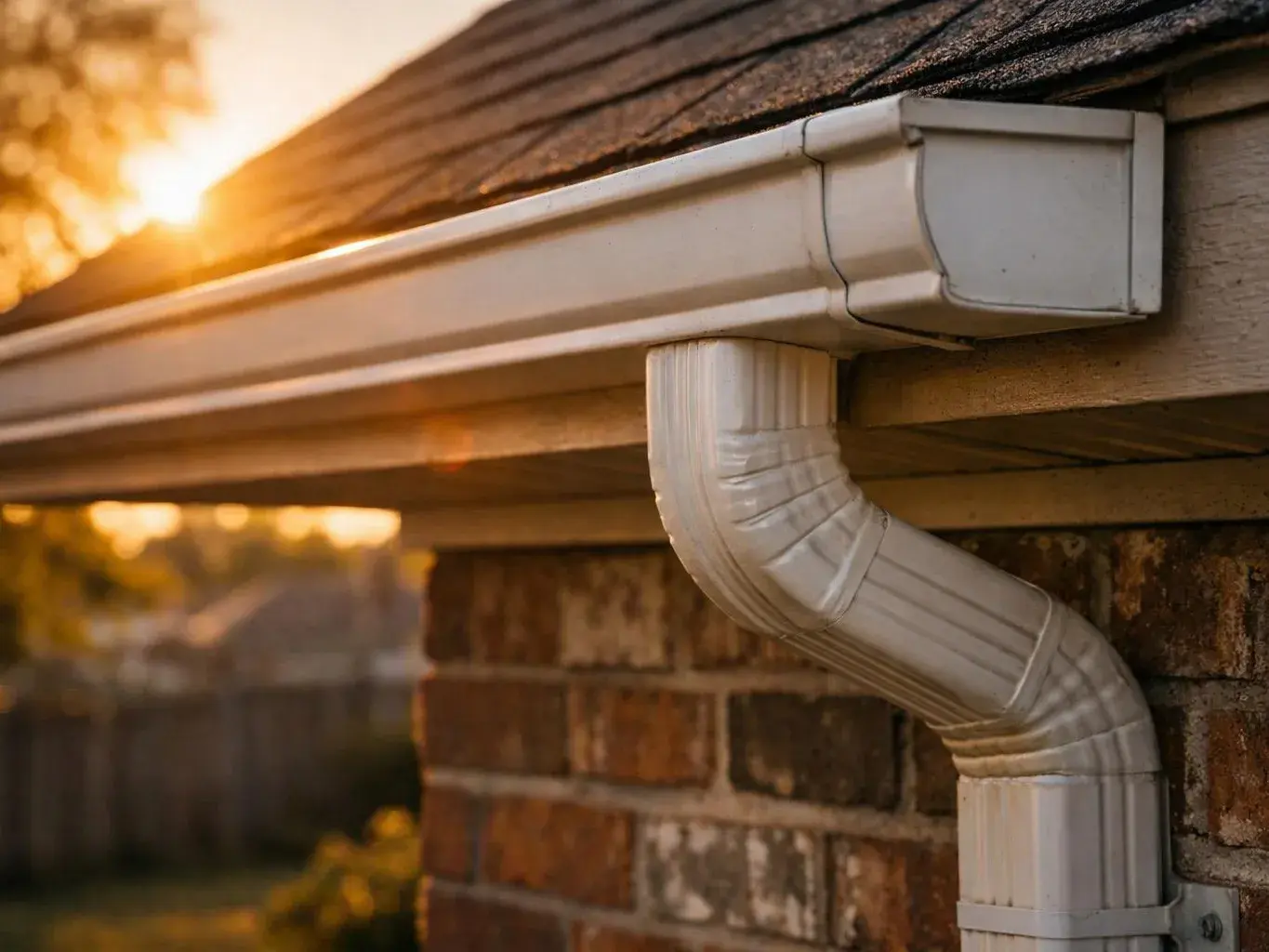
Common gutter types in Arkansas include polyethylene, alloy, and aluminum. Vinyl gutters are well-liked for their affordability and simplicity of setup, while ferrous gutters are often selected for their sturdiness in areas with extensive rain. In cities like Little Rock and Fayetteville, aluminum alloy gutters are a usual choice due to their minimal weight and corrosion-resistant characteristics. For reliable Gutter Installation in Arkansas in Arkansas, AGM Gutters provides skilled guidance and effective answers.
How do weather patterns in Arkansas affect gutter installation?
Arkansas has an average annual rainfall of 50 inches, which means gutters must be designed to manage heavy downpours. In cities like Fayetteville, where spring rains are especially intense, gutters require to be more long-lasting. The climate also affects material choices, with metal gutters often being preferred in areas with extreme weather conditions, such as Springdale.
What options are best suited for Arkansas weather?
Aluminum and steel are commonly used for their durability and ability to withstand heavy rainfall. Vinyl gutters are also a popular selection in cities like Little Rock due to their resistance to corrosion. In areas with more extreme weather, such as North Little Rock, metal gutters may be the best option for long-term operation.
What is the common price of gutter installation in Arkansas?
The cost of gutter installation in Arkansas typically ranges from $3 to $7 per linear foot, depending on the materials used and the complexity of the job. In cities like Rogers, where demand is higher, the cost may be slightly higher. Vinyl gutters are often the most affordable option, while metal gutters may cost more due to their durability and strength.
What are the procedures involved in experienced gutter installation?
Qualified gutter installation in Arkansas typically involves assessing the property, selecting the suitable materials, setting up the gutters with the correct slope, and connecting downspouts. In cities like North Little Rock, where building codes may be more stringent, contractors must confirm the system meets all local requirements. The process also includes a final inspection to verify that the gutters are functioning properly.